Protecting Lebanon: Understanding Low-Current Systems
In Lebanon, low-current systems are becoming increasingly popular for homes and businesses. These systems offer a range of benefits, including energy efficiency and cost-effectiveness. However, many property owners are unsure about how to choose the right low-current system for their needs. This article will provide an overview of low-current systems Lebanon, including their benefits and how to select the best system for your property.
- Low-current systems can help reduce energy consumption and lower utility bills.
- These systems are highly customizable and can be tailored to meet the specific needs of your property.
- When selecting a low-current system, it is essential to consider factors such as the size of your property, your security requirements, and your budget.
What Are Low-Current Systems?
Low-current systems refer to a range of electronic systems that operate at a low voltage, typically 12 or 24 volts. These systems are commonly used for security, surveillance, and access control applications. They are highly efficient and can help reduce energy consumption, making them an attractive option for property owners in Lebanon.
Benefits Of Low-Current Systems
Low-current systems offer a range of benefits, including energy efficiency, cost-effectiveness, and flexibility. They are also highly customizable and can be tailored to meet the specific needs of your property. Additionally, low-current systems are relatively easy to install and maintain, making them a popular choice for homes and businesses in Lebanon.
Energy Efficiency
Low-current systems can help reduce energy consumption and lower utility bills.
Cost-Effectiveness
These systems are highly cost-effective and can help reduce maintenance and repair costs.
Flexibility
Low-current systems are highly customizable and can be tailored to meet the specific needs of your property.
Ease Of Installation
These systems are relatively easy to install and maintain, making them a popular choice for homes and businesses in Lebanon.
Low-Current Systems Lebanon: Choosing The Right System
When selecting a low-current system for your property in Lebanon, there are several factors to consider. These include the size of your property, your security requirements, and your budget. It is also essential to consider the type of system you need, such as a CCTV system or an access control system. By taking the time to research and compare different systems, you can find the best low-current system for your needs.
CCTV Systems
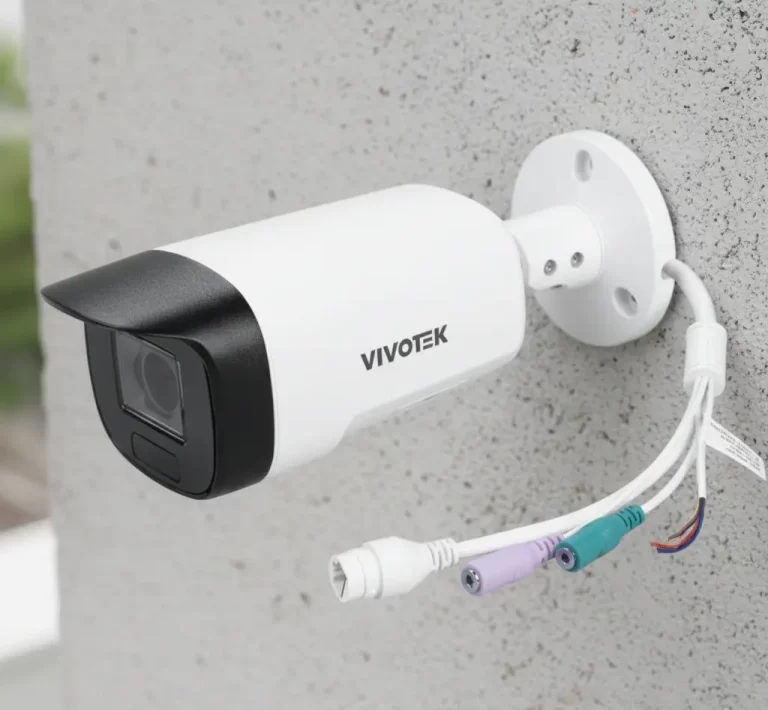
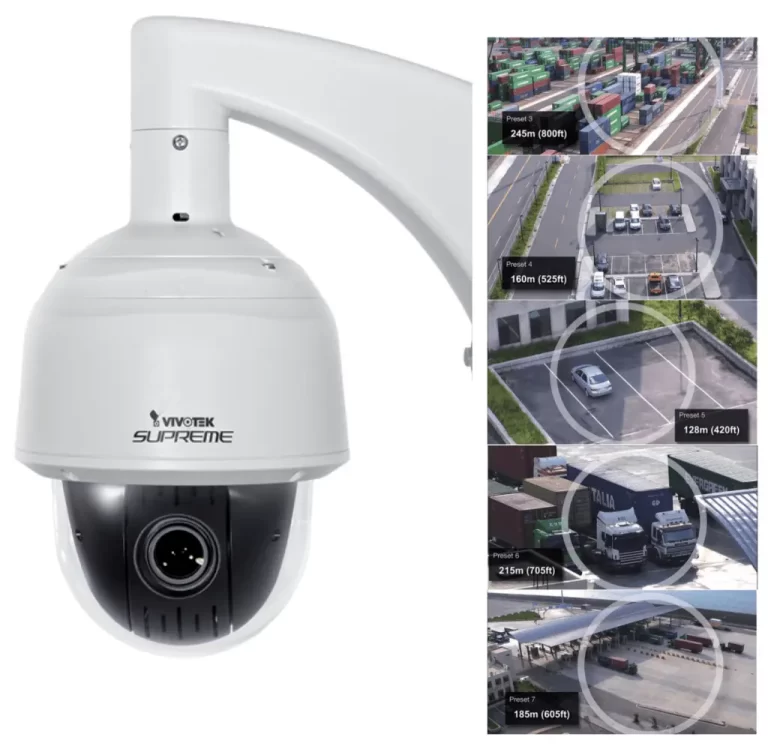
These systems use cameras to monitor and record activity on your property.
Access Control Systems
These systems control who can enter your property and when.
Intrusion Detection Systems
These systems detect and alert you to potential security breaches.
Perimeter Security Systems
These systems protect the perimeter of your property from intruders.
Installation And Maintenance Of Low-Current Systems
Once you have selected a low-current system for your property, it is essential to ensure that it is installed and maintained correctly. This includes regular testing and inspection of the system, as well as any necessary repairs or upgrades. By taking the time to properly install and maintain your low-current system, you can help ensure that it continues to function effectively and efficiently.
- Step 1: Plan The Installation Determine the best location for your low-current system and plan the installation process.
- Step 2: Install The System Install the low-current system, following the manufacturer’s instructions and any relevant safety guidelines.
- Step 3: Test The System Test the low-current system to ensure that it is functioning correctly and efficiently.
Important Considerations
When installing and maintaining a low-current system, it is essential to consider factors such as the system’s power requirements, any necessary wiring or cabling, and the potential for interference from other electronic devices.
Frequently Asked Questions
In conclusion, low-current systems Lebanon offer a range of benefits for homes and businesses, including energy efficiency, cost-effectiveness, and flexibility. By understanding the different types of low-current systems available and considering factors such as the size of your property and your security requirements, you can find the best system for your needs. Remember to also consider the installation and maintenance requirements of the system to ensure that it continues to function correctly and efficiently.
Ready to Secure Your Property?
Contact ZOD today for a free site visit and security assessment.