What is Fog Security? The Ultimate Guide to Active Intrusion Protection
In the high-stakes world of physical security, the difference between a foiled attempt and a successful burglary is often measured in seconds. Traditional security measures; sirens, strobe lights, and CCTV cameras, are fundamental, yet they suffer from one critical flaw: they are passive. They record the crime and alert authorities, but they do nothing to physically stop the intruder in the moment. This gap in protection has led to the rise of a revolutionary burglary deterrent known as fog security.
Defining the Fog Alarm: From Passive Observation to Active Defense
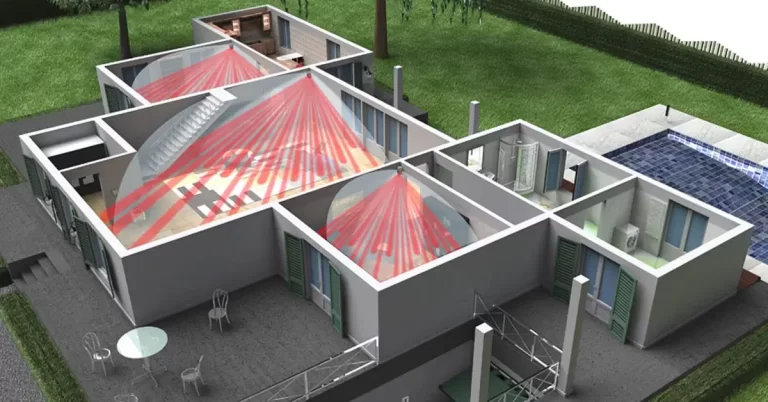
A fog alarm is an active intrusion protection device designed to physically prevent access to a protected area. Unlike a standard alarm that relies on noise to scare off an intruder, a fog system takes immediate action.
Upon triggering, whether by a motion sensor, door contact, or panic button, the device vaporizes a specialized glycol or glycerin-based fluid. This fluid is ejected at high pressure, instantly transforming into a dense, white fog. Within seconds, visibility in the room is significantly reduced.
The concept is simple but devastatingly effective: what the burglar cannot see, they cannot steal.
The “Golden Minute” Concept
Security experts often refer to the “Golden Minute”: the first 60 seconds of a break-in. Police response times vary wildly, often ranging from 10 to 45 minutes depending on the jurisdiction. However, data indicates that seasoned criminals can breach a location, locate high-value items, and exit the premises in under three minutes. A fog alarm bridges this time gap, deploying protection instantly and forcing the intruder to retreat immediately rather than search for goods.
How Does a Fog Security System Work?
Understanding the efficacy of security smoke systems requires a look under the hood. These systems are sophisticated pieces of thermal engineering designed for reliability and speed.
The Anatomy of a Fog Cannon
Most units consist of a fluid reservoir, a heating element (boiler), a pump, and a nozzle. The system maintains the heating element at a precise temperature. When the alarm system sends a signal to the fog generator, the following process occurs:
- Signal Reception: The fog alarm receives a verified trigger from the master security panel.
- Fluid Injection: The pump injects the proprietary fluid mixture into the superheated boiler.
- Vaporization: The fluid expands roughly 600 times its volume instantly as it turns from liquid to vapor.
- Projection: The vapor is blasted out of the nozzle at high velocity. Upon hitting the cooler air of the room, it condenses into a dry, dense fog.
- Saturation: A standard room can be filled to zero visibility in under 10 seconds.
The Fluid Chemistry
There is often a misconception that the “smoke” generated is toxic. In reality, the security smoke produced by a reputable fog alarm is composed of food-grade glycol or glycerin mixed with distilled water. This is chemically similar to the fog used in theatrical productions or nightclubs, but much denser and more persistent. It is:
Non-toxic
Safe for humans and animals.
Non-corrosive
It does not damage electronics, IT equipment, or machinery.
Residue-free
Once the room is ventilated, the fog dissipates without leaving a sticky layer on furniture or merchandise.
Food-grade base
Composed of glycol or glycerin mixed with distilled water, chemically similar to theatrical fog.
The Critical Benefits of Installing a Fog Alarm
Why are retailers, warehouses, and homeowners increasingly turning to fog solutions? The advantages go beyond simple theft prevention.
1. Immediate Disorientation
The primary weapon of a fog alarm is sensory deprivation. When visibility drops to zero, an intruder loses their orientation. They cannot navigate around furniture, locate exits, or find the valuables they came for. The psychological impact of being suddenly immersed in a blinding “whiteout” usually induces panic, causing the intruder to flee toward the entry point immediately.
2. Minimizing Loss and Damage
In traditional burglaries, even if the thief is caught later, the damage is already done. Doors are broken, glass is shattered, and inventory is gone. By deploying a fog alarm, you stop the crime in progress. Security fog reduces loss and damage by preventing intruders from accessing or removing goods.
3. Powerful Burglary Deterrent
As a visible burglary deterrent, many businesses display stickers indicating that a fog alarm is installed. Experienced criminals know that defeating a fog system is nearly impossible. Consequently, they are likely to bypass the protected location in favor of an easier target.
4. Protection of Staff
In scenarios involving robbery (theft by force while staff are present), a fog system can be triggered via a panic button. This creates a barrier between the assailant and the staff, allowing employees to retreat to a safe room or exit while the criminal is blinded.
Target Industries: Who Needs Fog Security?
While any property can benefit from active intrusion protection, certain sectors have adopted fog alarm technology as an industry standard due to the nature of their inventory.
High-Value Retail & Jewelers
- Prime targets for smash-and-grab
- Fog deploys before glass fully breaks
- Diamonds and gold hidden from sight
- Only tech fast enough for sledgehammer attacks
Warehousing & Logistics
- Vulnerable to organised crime syndicates
- Large-scale cannons fill thousands of m³
- Protects electronics, cigarettes, pharma
- Secures vast open spaces
Cash-in-Transit & ATMs
- Miniature fog emitters inside vestibules
- Installed inside cash cassettes
- Combined with ink dye when needed
- Renders cash useless if ATM is ripped
Residential Protection: Choosing the Best Fog Alarm for Home Security
While originally designed for banks, high-net-worth individuals are increasingly adapting this technology for residential use. When searching for the best fog alarm for home security, homeowners typically prioritize discreet units that can be hidden in garages (to protect luxury vehicles) or master suites. The goal is to create a “safe haven” buffer, giving the family time to call the police while the intruder is incapacitated. Finding the best fog alarm for home security involves looking for systems that integrate seamlessly with existing smart home setups.
Fog Alarm vs. CCTV vs. Sirens: A Comparative Analysis
To understand the value proposition, one must compare fog against traditional methods. While CCTV provides evidence and sirens provide an alert, neither provides a physical barrier.
The “Passive” Trap
CCTV: Excellent for post-crime investigation. However, a burglar wearing a mask and gloves cares very little about being filmed. In a world where police resources are stretched, a video feed rarely results in an arrest during the act.
Sirens: These rely on the assumption that the burglar fears attention. In remote industrial parks or residential areas during the day, a siren may be ignored by neighbors. Professional thieves often carry ear protection and ignore the noise, knowing they have a specific time window before authorities arrive.
The “Active” Solution: Comparing Fog Alarms and Pepper Spray Systems
Fog Alarm: This is the only solution that changes the physical environment. It removes the burglar’s most essential tool: their vision. It turns the asset itself into a hidden object. Experts argue that a security system is incomplete without an active intervention layer.
When evaluating active deterrents, property owners often compare fog alarms against aggressive alternatives like pepper spray systems. The table below outlines why fog is generally considered the superior and safer choice for civil applications.
| Feature | Fog Alarm |
|---|---|
| Primary Mechanism | Visual Disorientation: Reduces visibility to zero without causing pain. |
| Cleanup & Residue | Zero Residue: Dissipates cleanly with ventilation. Safe for electronics and clothes. |
| Health & Safety | Non-Toxic: Safe for humans and pets (Glycol/Water base). |
| Liability & Legal Risk | Low Risk: Widely accepted and standard-compliant. |
| Asset Preservation | Protects inventory by hiding it. |
Conclusion: The Ultimate Deterrent
In an era where criminals are becoming faster and more brazen, relying solely on locks and cameras is no longer sufficient. Security is about buying time and denying access. A fog alarm provides the unique ability to instantly reclaim control of a property during a breach.
By filling a space with harmless but impenetrable fog, you effectively remove the criminal’s ability to operate. Whether you are a business owner protecting millions in inventory, or a homeowner seeking the best fog alarm for home security, this technology transforms a vulnerable space into a fortress in a matter of seconds. For those serious about active intrusion protection, the question is no longer “Why should I install a fog system?” but rather, “Can I afford the risk of not having one?”